Fig. № 1
9.4×
Home price vs. income, major U.S. cities
Average across New York, Los Angeles, San Francisco, San Diego, and Boston, 2025 · Best Interest Financial · FHFA · U.S. Census ACS

A think tank & media organization on housing, urbanism & the civic fabric
A Think Tank
for the Built Environment
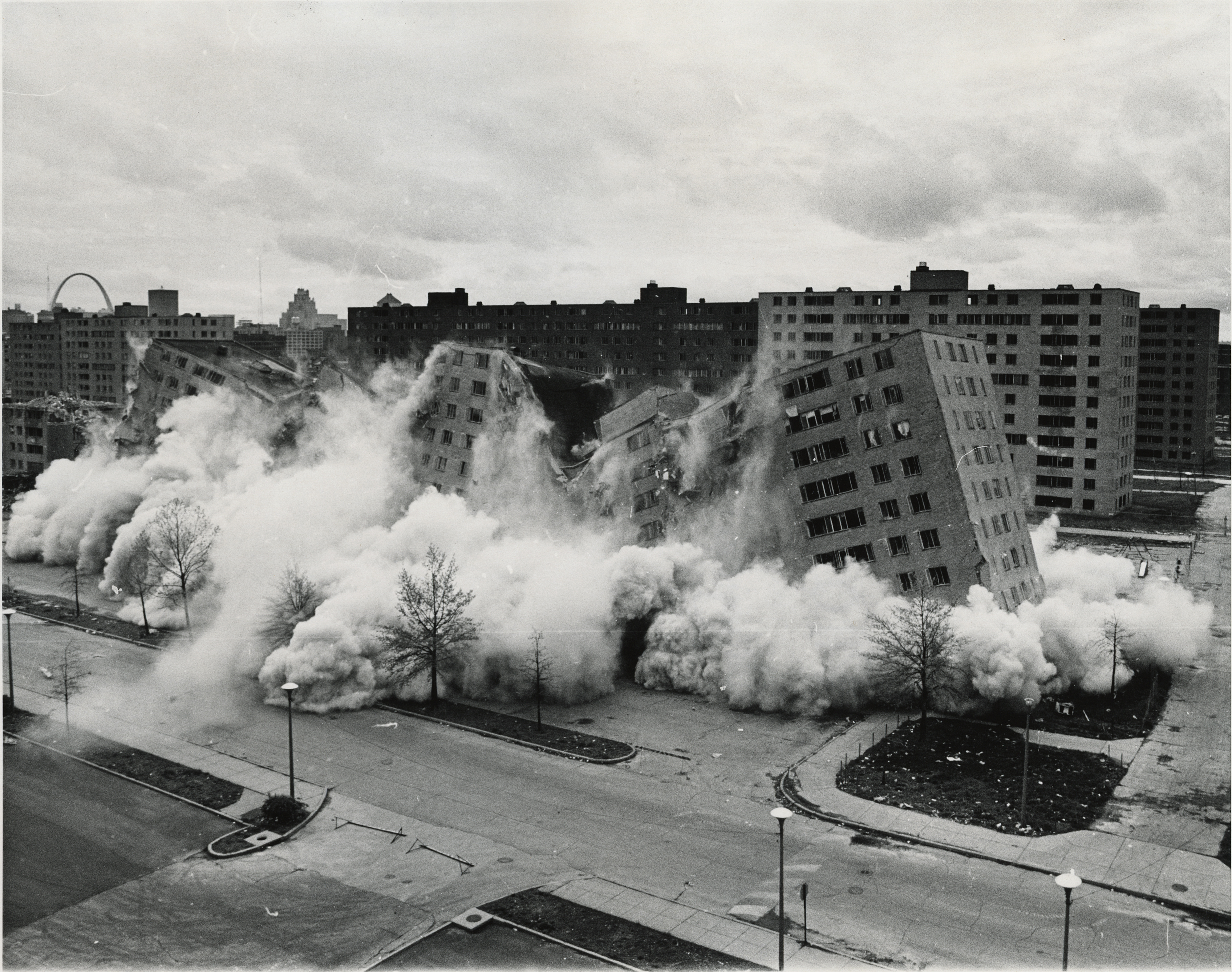
Dovetail City is a nonprofit think tank and media organization that studies the built environment and the problems that follow when we get it wrong: social fragmentation, violent crime, low fertility, and climate change. We produce films and public databases that document what works and what doesn't in planning and development, wherever the best examples are.
The goal is to close the gap between what we know works and what actually gets built.

America's economy has more than doubled in a generation, but life has gotten lonelier, uglier, and less affordable. The same could be said of nearly any country in the developed world.
Housing has decoupled from wages. American cities are either unaffordable or dangerous, rarely neither. The elderly have vanished from public life. Birth rates are falling. Obesity is rising, because car-dependent cities make walking an afterthought and sedentary life the default. Buildings and transportation together produce most of America's emissions. These are usually treated as separate policy failures. They share a common bottleneck: the built environment.
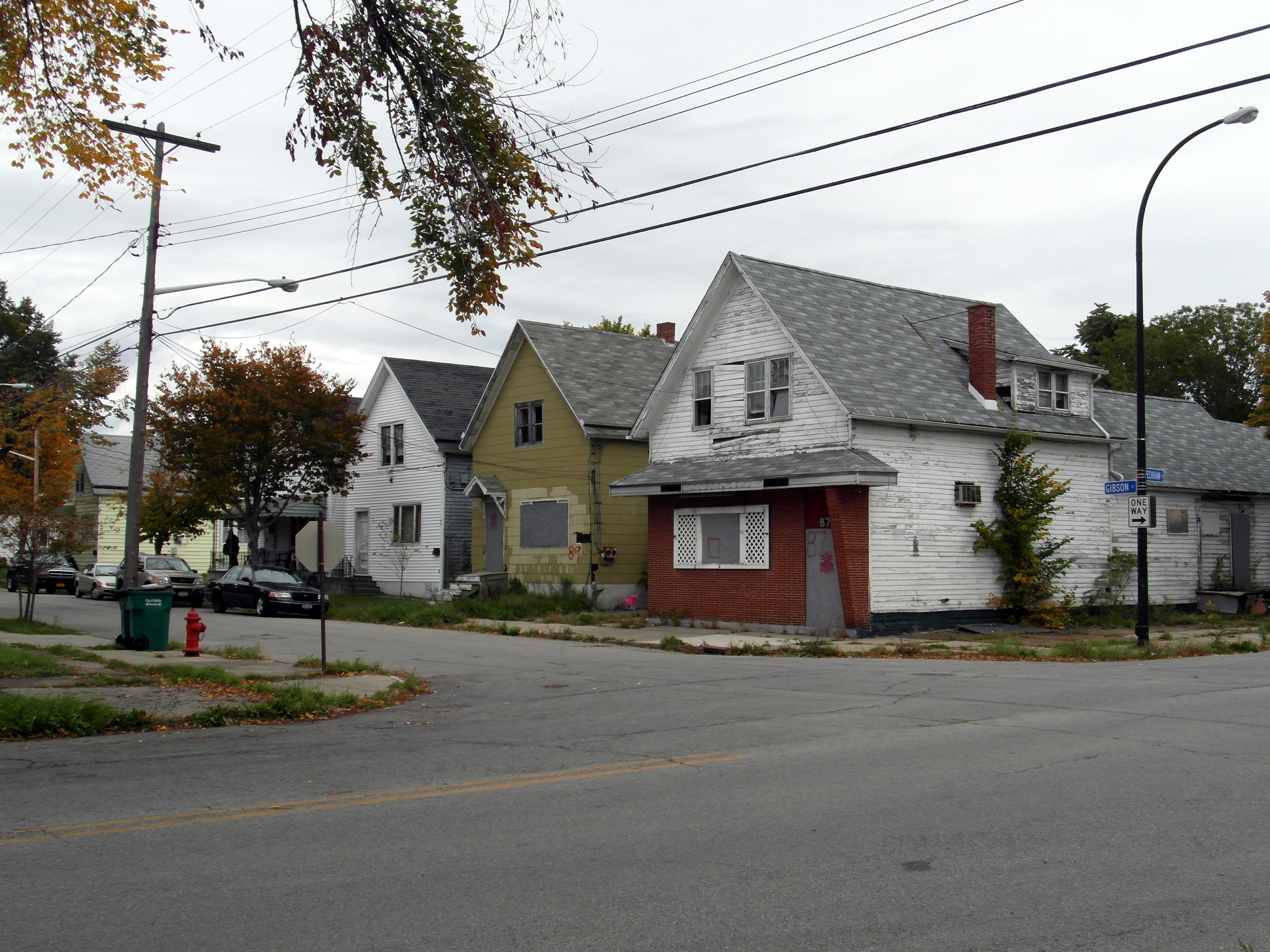
In the major American cities people actually want to live in, a median home now costs roughly nine times what the median household earns. The age of the first-time American homebuyer has climbed from twenty-nine to forty in a generation. The share of thirty-year-olds who are both married and own a home has fallen from one in two to one in eight. A young American who would once have started a family in their twenties is now still saving for a down payment in their late thirties.
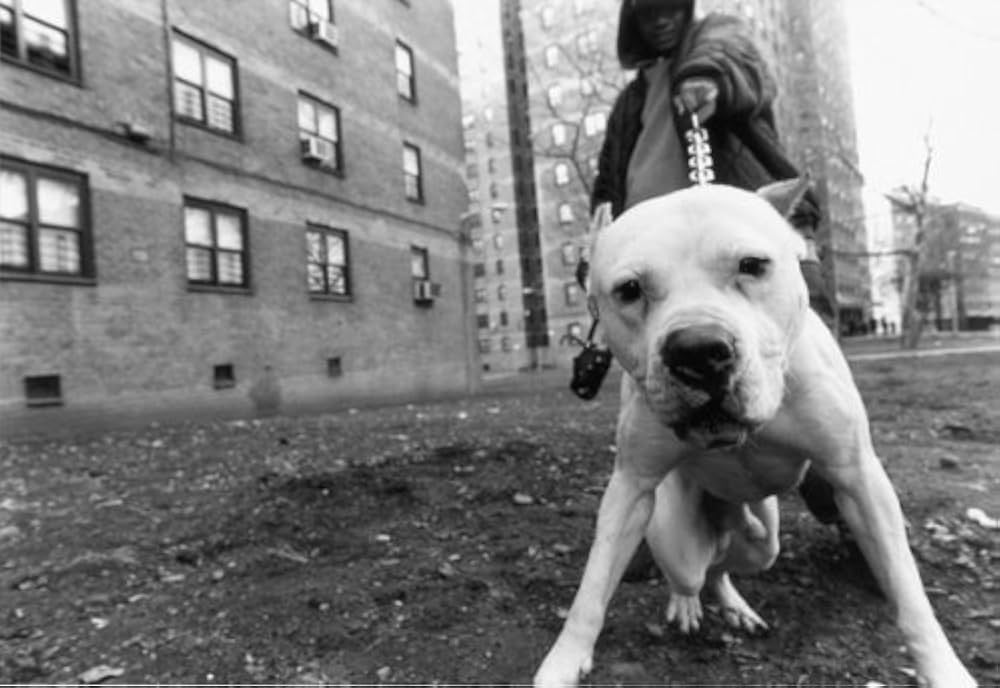

Violent crime in the United States runs at four times the European rate. Among the ten largest cities on each continent, the homicide rate is eleven times higher in America. The single strongest predictor of variation in urban violence is family structure: roughly seven in ten young Americans in prison were raised without a father in the home. The social fabric that once cushioned against all of this has thinned dramatically. The share of Americans reporting no close friends has risen nearly six-fold since 1990.
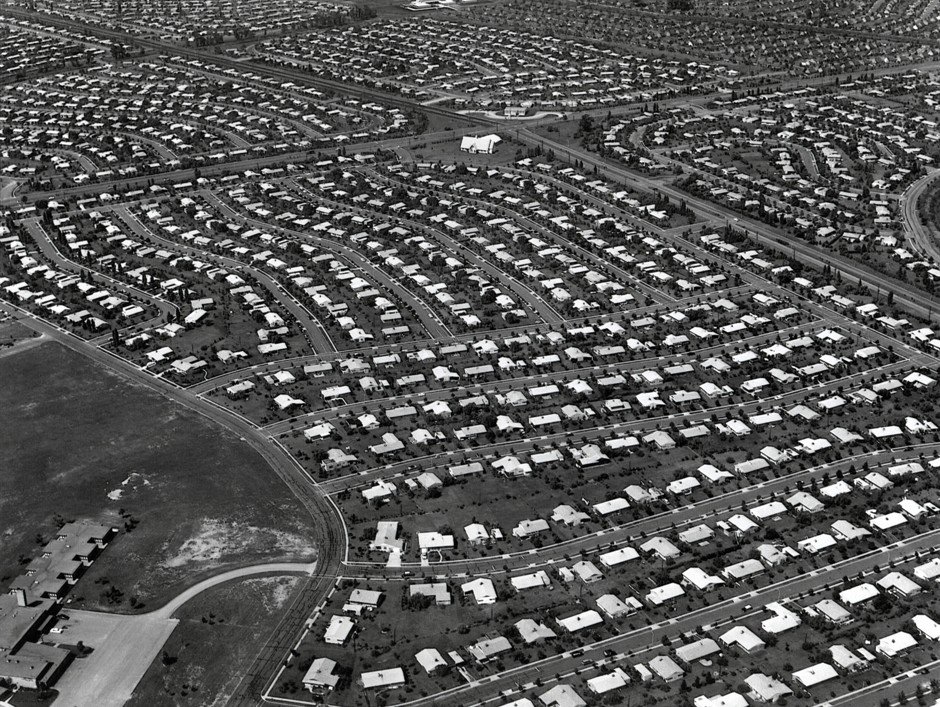
Buildings and transportation together produce roughly sixty percent of American greenhouse gas emissions, more than industry, agriculture, and pure electricity generation combined. The average American worker spends nearly an hour every weekday inside a car. The share of children walking or biking to school has collapsed from forty-eight percent in 1969 to thirteen percent in 2009. These are not separate failures. They are the same failure: a built environment designed for cars, not for people.
These problems are usually treated as separate policy failures. They share a common bottleneck: the built environment. Poorly planned, cheaply built cities isolate people from each other and from any sense of a shared future, making it easier to retreat into screens, drugs, and despair. And the zoning codes, financing structures, and political incentives that shape them are deeply dysfunctional.
Fix housing, transportation, and public space and you create the conditions for everything else to improve. Leave them broken and no amount of funding, policy, or technology will compensate.
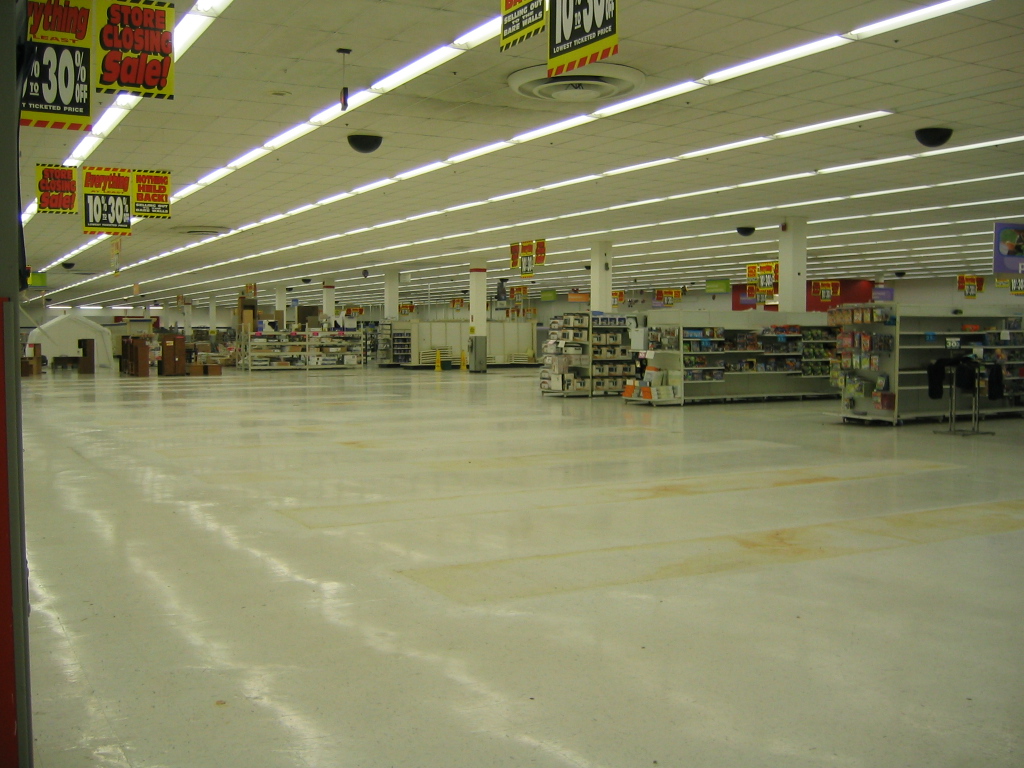
Good projects exist all over the world. They don't get replicated because people don't know about them, or they can't be built because the law won't allow it. Dovetail City attacks both with films and databases.
Film
Short Film Essays on Hero Projects
The built environment is visual. White papers talk about the world; film takes you inside it. We produce short, evergreen film essays about hero projects the world needs more of. Founder Donovan Greene hosts on-camera conversations with the developers, architects, and community members behind each project. Films publish to a permanent online archive and as short-form social cuts.
Development Database
A Public Record of What Works
Developers and planners solve the same problems in isolation, unaware that someone in Barcelona or Shenzhen already figured it out. A public database documenting financially and culturally successful housing, public-space, and infrastructure projects: images, plans, video, costs, returns, builders, what went right and what went wrong.
Legislative Database
Why the Law Forbids the Better City
Developers cannot build what the law won't allow. Outdated zoning and excessive regulation drive costs so high that only luxury development turns a profit. We track planning and zoning legislation across the United States, Spain, and China, translating legal language into plain English and identifying the regulations that block proven development models from being replicated.
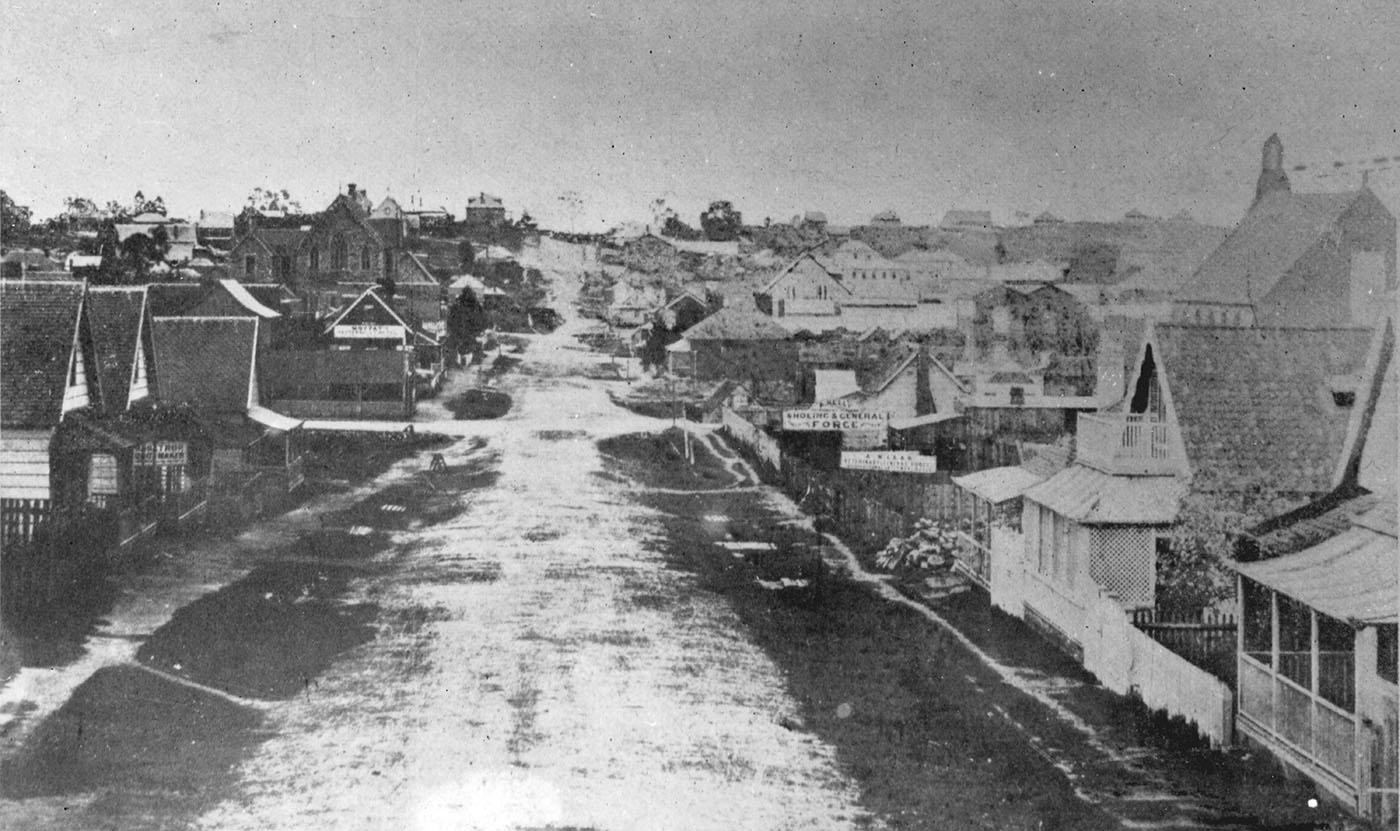
Several organizations work on this problem. None are producing high-quality film, the most emotionally persuasive medium. None are building practitioner-facing databases that let a developer in Denver learn from a project in Shenzhen. None are systematically comparing United States planning and zoning law against countries getting better results.
In 2024, China installed more solar capacity in a single year than the United States has built in its entire history. Barcelona is redesigning entire neighborhoods around pedestrians in projects like Superblocks. The question is why those models aren't being replicated. Dovetail City is designed to fill that gap.
Founder Donovan Greene has spent twenty years moving between filmmaking and development. He directed commercials for Apple and Coca-Cola, and a twenty-million-dollar cinematic ride film with Industrial Light & Magic for a Wanda theme park in China. He co-founded and built Rosetta Hall, a ten-million-dollar food hall in Boulder, Colorado, overseeing construction, permitting, and operations. He has lived and worked in the United States, Spain, China, the Netherlands, and Japan, speaks Mandarin and Spanish, and has firsthand experience with how the United States, Spanish, and Chinese systems work and where they fail.
Most people who write about the built environment have never built anything. Most people who build don't make films. Most people who make films can't build a database. Greene does all three.
Dovetail City is building the footings of its foundation. Greene is constructing the website, database architecture, production pipeline, and first films independently from Barcelona. The initial film slate focuses on projects within reach: Barcelona's Superblocks programme, Spanish public-space developments, and interviews with European architects and planners. Once the proof of concept is complete, Dovetail City will seek institutional funding to expand production internationally and deepen the databases.
Website, database architecture, production pipeline, and first films built solo from Barcelona.
Superblocks, Spanish public-space projects, and interviews with European architects & planners.
Scale production internationally and deepen the databases.
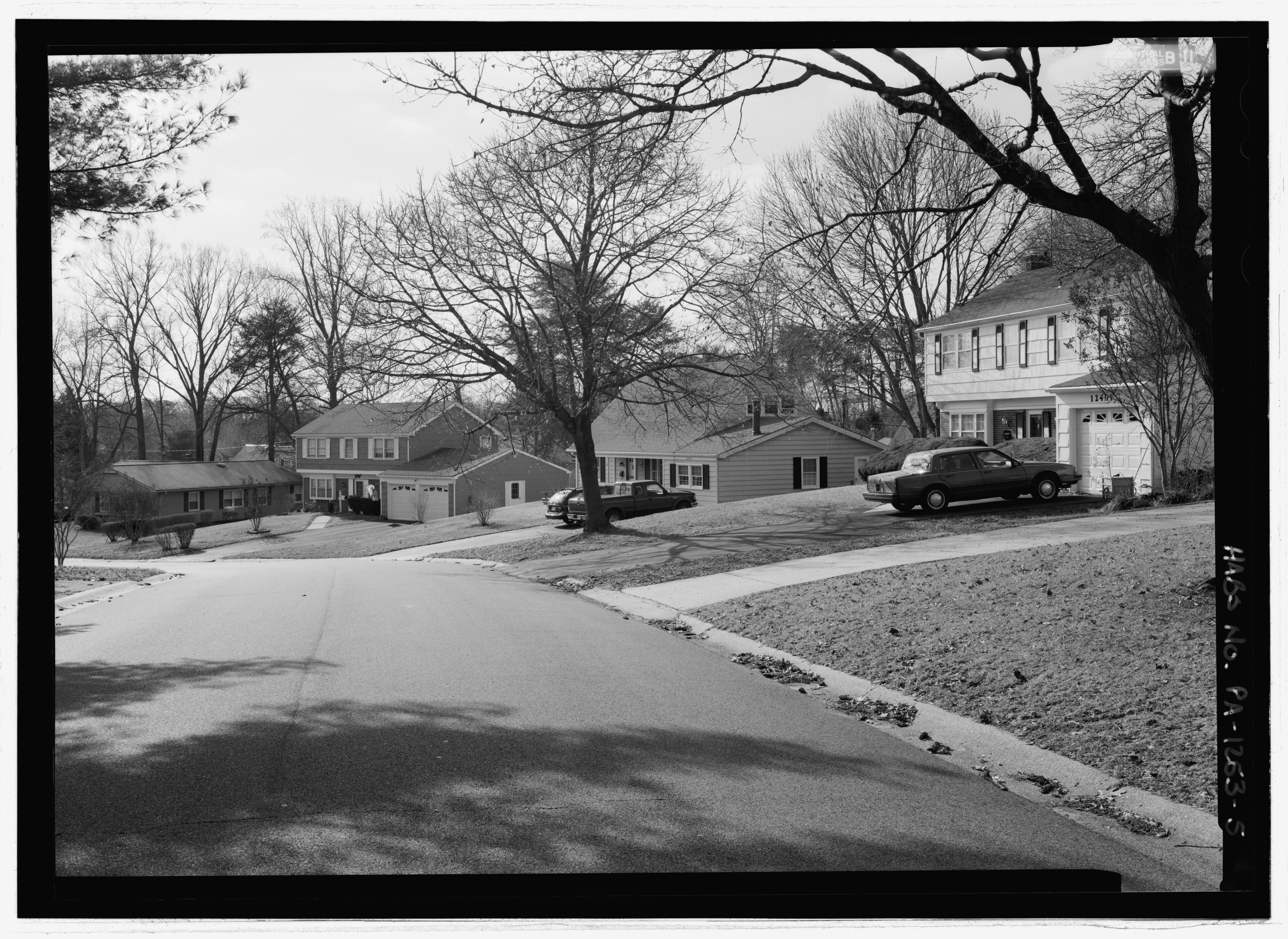
Notes from Barcelona on housing, public space, and the policies that shape them. Sent occasionally; never sold.